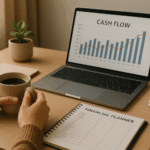
5 Ways Equipment Financing Improves Cash Flow
5 Ways Equipment Financing Improves Cash Flow Managing cash flow is critical for small businesses. Equipment leasing and financing helps by spreading large costs into predictable monthly payments, keeping your cash reserves intact. This approach ensures you can invest in essential tools without financial strain, even during seasonal fluctuations or economic uncertainty. Here’s how equipment […]
, August 30, 2025
5 Ways Equipment Financing Improves Cash Flow
Managing cash flow is critical for small businesses. Equipment leasing and financing helps by spreading large costs into predictable monthly payments, keeping your cash reserves intact. This approach ensures you can invest in essential tools without financial strain, even during seasonal fluctuations or economic uncertainty.
Here’s how equipment leasing and financing strengthens cash flow:
- Lower upfront costs: Avoid large payments by breaking them into smaller instalments.
- Fixed monthly payments: Plan better with consistent, predictable expenses.
- Preserve working capital: Keep funds available for emergencies or growth opportunities.
- Access modern equipment: Upgrade to the latest tools without draining your cash.
- Flexible terms and tax benefits: Adjust payments to match income cycles and reduce taxes through interest and depreciation deductions. Ask accountant on tax treatment advice.
This method supports growth while maintaining financial stability, making it a practical solution for Canadian businesses.
Manage Cash Flow Issues with Equipment Financing
1. Lower Upfront Costs
Equipment financing helps businesses avoid hefty upfront payments by breaking the cost into manageable monthly instalments. This approach keeps your working capital intact, which can then be redirected toward critical expenses like payroll, marketing, or inventory – key elements for maintaining steady growth.
“With equipment financing, business leaders can spread the costs over a period of time and better align the cost with the benefit of the equipment.” – Mark Bearden, Senior Vice President at First American Equipment Finance, a subsidiary of City National Bank
While some loans may require a 20% down payment, equipment leasing, in certain cases – ensures you don’t deplete your cash reserves by covering the full purchase price upfront.
Jocova Financial offers tailored payment plans for Canadian small businesses, giving them immediate access to the latest equipment without putting a strain on their cash flow.
Next, let’s explore how fixed monthly payments can further contribute to cash flow stability.
2. Fixed Monthly Payments
Fixed monthly payments offer a steady and predictable way to manage your cash flow, complementing the benefits of lower upfront costs. With equipment leasing and financing, you trade unpredictable variable costs for consistent, manageable payments, making it easier to plan your finances.
Unlike payment structures that fluctuate, fixed monthly payments give you complete cost clarity for the duration of the financing term. This stability is invaluable when you’re trying to budget effectively across various aspects of your business.
“Equipment loans and leases usually come with fixed monthly payments, making it easier to plan and manage your budget.” – Crestmont Capital
Having predictable payments is especially important when you’re balancing multiple expenses. Whether it’s allocating funds for a quarterly marketing campaign or preparing for seasonal inventory needs, knowing your exact equipment costs helps you make smarter financial decisions.
Fixed payments also act as a cushion against external financial pressures. As Rob Fischer puts it:
“With equipment financing, you can save that cash and create a monthly finance payment that is fixed, preserving cash you might need for a rainy day.”
This predictability enhances your ability to forecast cash flow accurately. It allows you to identify potential shortfalls well in advance, giving you the opportunity to adjust other expenses, explore new revenue streams, or secure temporary financing if necessary.
“With predictable payments, businesses can better manage their expenses and avoid unexpected fluctuations in cash flow that can disrupt operations.” – Apex Commercial Capital
For Canadian small businesses, fixed payment terms offered by Jocova Financial’s equipment leasing and financing align seamlessly with revenue generation. As your new equipment contributes to your income, those steady monthly payments become a manageable and predictable part of your operating costs, rather than a financial strain. This alignment creates a natural rhythm in your cash flow, helping you maintain financial stability while growing your business.
3. Keep Working Capital Available
Equipment leasing and financing can be a game-changer for Canadian businesses, helping you avoid hefty upfront costs and keeping your cash reserves intact. This approach ensures you’re ready to tackle unexpected challenges or seize new opportunities without financial strain. Here’s how financing helps you safeguard your working capital.
Imagine spending $40,000 from your $50,000 working capital. That leaves you with just $10,000 for other needs – a risky position for any business. On the other hand, financing allows you to keep the full $50,000 available for operations. Similarly, using a revolving line of credit for equipment purchases might limit your flexibility in emergencies. Equipment financing avoids this issue, preserving your credit for when you need it most.
“Financing equipment through a loan or lease can allow companies to preserve working capital for strategic investments, innovation goals and unexpected market opportunities.” – J.P. Morgan
Having this financial cushion lets you make faster decisions when growth opportunities arise. Whether it’s hiring extra staff during a busy season, taking advantage of bulk discounts on inventory, or launching a time-sensitive marketing campaign, preserved working capital gives you the agility to act quickly. During periods of economic uncertainty or seasonal fluctuations, this flexibility becomes even more critical.
But it’s not just about having cash on hand. Keeping your working capital intact ensures you’re prepared for everything – from emergency repairs to scaling up operations when the time is right. It’s about maintaining control and being ready to adapt to whatever comes your way.
Jocova Financial’s equipment financing solutions are designed with this in mind, helping you acquire the equipment you need while keeping your financial foundation strong and ready to support your business growth.
sbb-itb-30ec390
4. Get Modern Equipment Without Large Payments
Financing offers a practical way to access the latest technology without draining your bank account. Upgrading to modern equipment can significantly improve efficiency, but the high upfront costs often make it challenging. With equipment financing, you can start using advanced machinery right away – without needing a hefty lump-sum payment. This means you can keep your cash available for other important investments while still benefiting from improved efficiency and productivity. Jocova Financial provides tailored solutions that help you secure state-of-the-art equipment, ensuring steady growth and strong cash flow from day one.
5. Flexible Terms and Tax Benefits
Equipment financing offers payment options designed to fit your cash flow needs. Unlike traditional loans with rigid terms, this type of financing allows you to adjust repayment schedules to match your business’s unique cycles. For instance, you can arrange for lower payments during slower months and higher payments when your revenue increases. This flexibility ensures that payments align with your income patterns, making it easier to manage your finances. On top of that, equipment financing provides notable tax advantages.
When you finance equipment, the interest payments are often deductible as a business expense, which helps lower your taxable income. Additionally, you may be eligible for depreciation deductions on the equipment itself, spreading those benefits across several years. This means you’re not just conserving cash by avoiding hefty upfront costs – you’re also reducing your tax obligations over time. Tax law does change and this is meant to example purposes. Always review and equipment leasing and financing structuring and contracts with your accountant to ensure the benefits to your business.
Jocova Financial specializes in crafting solutions tailored to your industry and cash flow needs. Whether you’re looking for a short-term plan to finance tech upgrades or a long-term arrangement for heavy machinery, the payment structure adapts to your business model. Unlike a one-size-fits-all approach, these customized terms ensure your financing works for you.
Flexible terms are especially helpful during periods of economic uncertainty. Many financing agreements include options to adjust your payment schedule or defer payments temporarily if unexpected challenges arise. This built-in flexibility acts as a financial safety net, allowing you to keep your equipment and maintain working capital when it matters most. It’s a practical way to ensure long-term financial stability while staying prepared for the unexpected.
Comparison Table
Deciding between equipment financing and outright purchase has a significant impact on your finances, both immediately and in the long run. It’s not just about the upfront cost – it’s about how each option affects cash flow, working capital, and overall flexibility. The table below breaks down these key differences:
| Factor | Equipment Financing | Buying Outright |
|---|---|---|
| Upfront Cost | $0 – $5,000 down payment | Full purchase price (e.g., $50,000 – $500,000) |
| Monthly Cash Flow Impact | Fixed payments (e.g., $1,200/month) | No ongoing payments after purchase |
| Working Capital Preserved | 90-100% of equipment value stays available | 100% of purchase price tied up |
| Tax Benefits* | Interest deductions + depreciation over time | Full depreciation schedule available |
| Cash Flow Predictability | Predictable monthly expenses | Large one-time cash outflow |
| Equipment Upgrades | Easier to upgrade at term end | Must sell or trade existing equipment |
| Risk of Obsolescence | Lower risk with shorter terms | Higher risk with full ownership |
| Total Cost Over Time | Higher due to interest (typically 5-15% annually) | Lower total cost, no interest |
*Consult Accountant
The main distinction lies in how cash flow is managed. For instance, buying a $100,000 CNC machine outright would immediately drain cash reserves. Meanwhile, financing the same machine could spread the cost into manageable payments, like $2,500 per month over four years, leaving more working capital intact.
Financing also offers flexibility for businesses with fluctuating income, such as seasonal operations. Fixed monthly payments can be aligned with revenue cycles, simplifying budgeting and reducing financial strain. This predictability makes it easier to price services accurately and maintain profit margins.
On the other hand, outright purchases can lead to long-term savings. Once the equipment is fully paid for, there are no more monthly costs, and you retain complete control over maintenance, upgrades, and eventual resale. For businesses with strong cash reserves and equipment that retains value over time, this option can be more economical.
Ultimately, the right choice depends on your current financial situation and growth objectives. Financing is often better suited for businesses prioritizing expansion, as it keeps capital available for other investments while still providing access to essential equipment. These comparisons set the stage for deeper insights into aligning financial strategies with business goals.
Conclusion
For Canadian small businesses, equipment leasing & financing provides a practical way to manage cash flow while still pursuing growth. By offering benefits like lower upfront costs, fixed monthly payments, preserved working capital, access to modern equipment, and flexible terms with tax perks, financing helps businesses maintain financial stability without stalling their progress.
This approach proves especially useful during times of growth or seasonal shifts when keeping cash reserves intact is critical. Instead of tying up funds in outright purchases, financing allows businesses to redirect their capital toward key initiatives – like marketing campaigns, expanding inventory, or bringing on new team members – that drive growth.
With predictable monthly payments, businesses can integrate equipment costs into their regular budgets, ensuring smoother financial planning and steady profit margins. This not only supports day-to-day operations but also positions businesses to make future investments confidently.
Ultimately, equipment financing offers the flexibility small businesses need to adapt to new opportunities and navigate challenges. It’s a smart way to strike the balance between growth and financial stability, making it an essential tool for optimizing cash flow.
FAQs
How can equipment financing help businesses maintain cash flow during uncertain times or seasonal slowdowns?
Equipment financing offers a practical way for businesses to keep their cash flow steady, especially during times of economic uncertainty or seasonal dips. Rather than requiring a hefty upfront payment, this approach allows businesses to spread out the cost of equipment through manageable and predictable instalments. This means companies can hold onto their working capital for other essential operational needs.
What’s more, payment schedules can often be tailored to match a business’s cash flow patterns. This makes it easier to handle expenses during slower periods without added financial stress. By providing this kind of flexibility, equipment financing enables businesses to acquire the tools they need while maintaining financial stability and supporting their long-term goals.
Can equipment financing adapt to a business’s revenue cycles, and how does this flexibility benefit cash flow?
Yes, equipment financing can be tailored to fit your business’s revenue patterns, offering repayment options like seasonal, quarterly, or percentage-of-revenue payments. These options allow businesses to sync their payments with cash flow, making it easier to handle expenses during slower times and maintain financial balance.
In Canada, this approach is especially helpful for industries with unpredictable income, such as agriculture or construction, where earnings can shift significantly throughout the year. Custom payment schedules ease financial pressure and help businesses stay on course, even during less lucrative months.
Other Posts

Equipment Financing for Small Business Owners
Read More
What You Don’t Know About Equipment Leasing (And Why It Matters More Than You Think)
Read More
Turning Customers’ Site Visits into Sales with Jocova Financial
Read More
How Smart Companies Use Equipment Leasing Strategically
Read More
5 Benefits Of Financing For Equipment Dealers
Read More
How Equipment Financing Helps Scale Small Businesses
Read More
Complete Guide to Business Equipment Leasing and Financing in Canada
Read More
Best Equipment Financing Options in Canada
Read More